
Warning: Hospital Cardiac Service Line and Revenue at Risk

When hospital executives are asked about their specialty programs, both in terms of reputation and profitability, orthopedics and cardiology are often on the top of the list.

But that may soon be changing.

A great deal of attention has been paid to the proposal by the Centers for Medicare & Medicaid Services (CMS) to remove total knee arthroplasty from the inpatient-only list as of Jan. 1, 2018 and to seek comments from the provider community about not only removing hip arthroplasty from the inpatient-only list in 2019, but also allowing both hip and knee arthroplasties to be performed in ambulatory surgery centers (ASCs).

While these proposals received the most attention out of all outlined in the 2018 Outpatient Prospective Payment System (OPPS) Proposed Rule, another request for comments in the OPPS Proposed Rule has significant implications – but has not seemed to receive any attention. With the request titled “Definition of ASC Covered Surgical Procedures,” CMS is suggesting that there are “surgery-like” procedures that are currently excluded from coverage in ASCs, but conceivably could be performed there.

CMS currently uses the CPT® code range 10000-69999 to define surgery. CMS then evaluates each surgery to determine which do not pose a significant safety risk, which would create an expectation of requiring an overnight stay when performed in an ASC, and which are separately paid under the OPPS. They also consider procedures outside that CPT range, but those that are clinically similar to covered procedures.

The risk to hospitals, which is buried within this request for comment, is that CMS is open to considering “certain cardiac catheterization services, cardiac device programming services, and electrophysiology services should be added to the covered surgical procedures list.” CMS does not provide a list of which of the many procedures within this description they may consider, but it is not hard to speculate.

Clearly, elective cardiac catheterization would be included. Patients evaluated by their physician as outpatients and determined to need anatomical visualization seem to meet the standard, being relatively safe and generally requiring no overnight stay. What may be more contentious is angioplasty and stent placement. While these procedures traditionally have required an overnight stay, as stents improve and radial artery catheterization is more prevalent, the need is decreasing. The same is true for electrophysiology procedures, whereby more precise techniques have reduced the risks to the patient and need for overnight monitoring significantly.

While for some it is difficult to imagine performing catheterization procedures in an ASC, it should be noted that CMS already allows peripheral angioplasty and stenting to be performed in such a setting. There is also a growing number of ASCs that perform cardiac and electrophysiologic procedures, including pacemaker placement and ablations on patients with non-Medicare insurance.

Orthopedic surgeons have embraced ownership of ASCs with a patient population that includes patients of all ages, and therefore a large patient population eligible for surgery at an ASC. But the age distribution of patients who require cardiac evaluation and intervention tend to concentrate with those 65 and older, so the inability to perform diagnostic studies and interventions at an ASC has limited cardiologist interest in investing in ASCs. The confusing federal regulations concerning physician investment in ASCs has also likely led many to avoid investment.

Since CMS is simply requesting comments at this time and not making an actual proposal, the procedures would not be added to the ASC list until 2019 at the earliest. But if CMS includes the tone of the comments it received regarding the 2018 OPPS Final Rule, we may know as soon as November what the future may hold. And if that includes allowing cardiac and electrophysiologic procedures, and especially interventional procedures, to be performed in ASCs, we can expect to see a significant increase in cardiologists’ and electrophysiologists’ interest in ASCs – along with increasing concern from hospitals about the loss of these patients and the associated revenue.

And finally, on Sept. 6, CMS posted some of the comments they received on the OPPS Proposed Rule. Of the 482 comments that were posted, more than 150 were from Texas ambulatory surgery centers advocating for allowing cardiac procedures at ASCs. A coordinated campaign such as this can influence CMS decision-making. Time will tell if other states respond as vigorously.

CMS is accepting comments until Sept. 11, 2017 online at https://www.regulations.gov/document?D=CMS-2017-0091-0002

Facebook
Twitter
LinkedIn

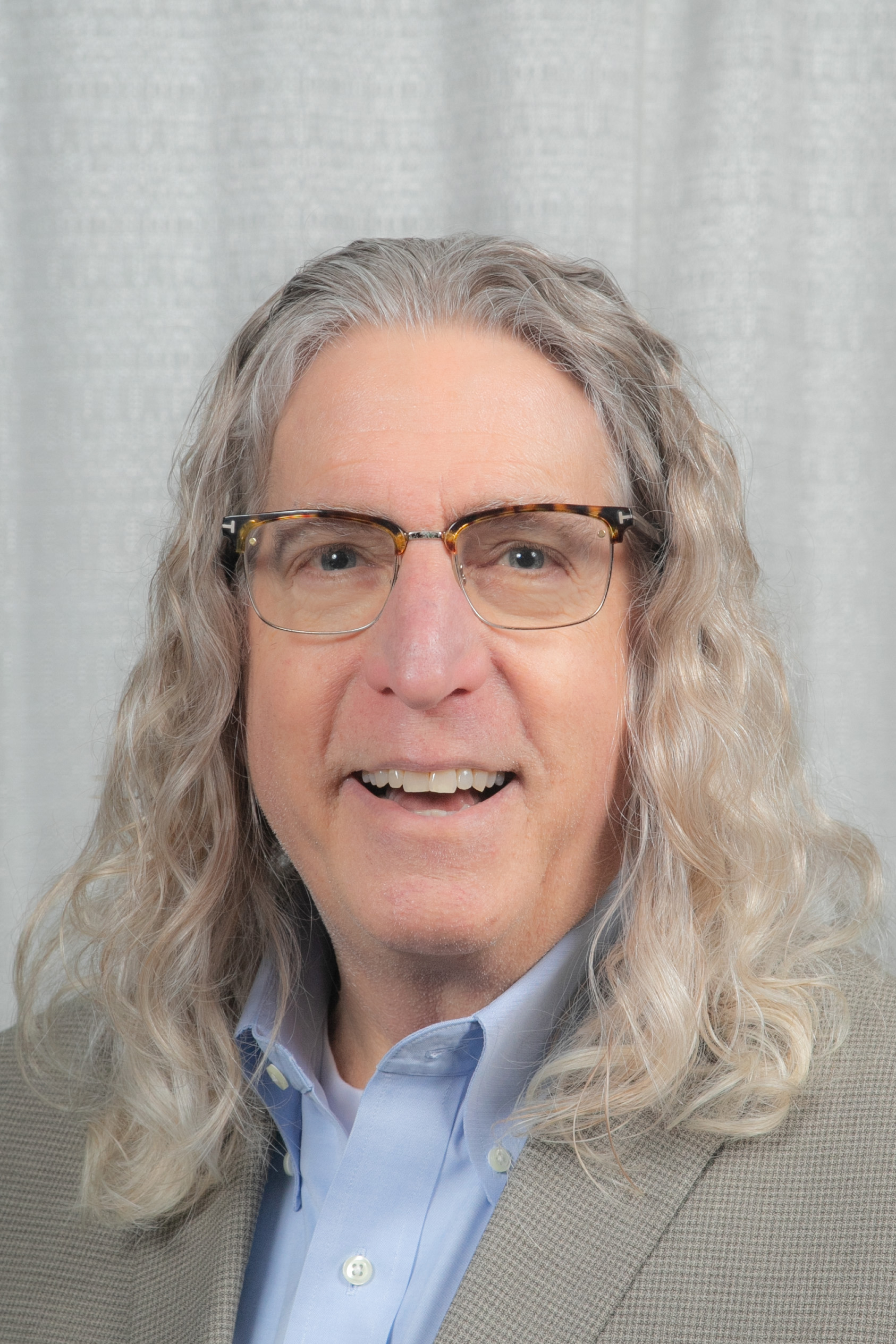
Ronald Hirsch, MD, FACP, ACPA-C, CHCQM, CHRI

Ronald Hirsch, MD, is vice president of the Regulations and Education Group at R1 Physician Advisory Services. Dr. Hirsch’s career in medicine includes many clinical leadership roles at healthcare organizations ranging from acute-care hospitals and home health agencies to long-term care facilities and group medical practices. In addition to serving as a medical director of case management and medical necessity reviewer throughout his career, Dr. Hirsch has delivered numerous peer lectures on case management best practices and is a published author on the topic. He is a member of the Credentials Council and Government Affairs Committee of the American College of Physician Advisors, on the advisory board of the National Association of Healthcare Revenue Integrity, a member of the American Case Management Association, and a Fellow of the American College of Physicians. Dr. Hirsch is a member of the RACmonitor editorial board and is regular panelist on Monitor Mondays. The opinions expressed are those of the author and do not necessarily reflect the views, policies, or opinions of R1 RCM, Inc. or R1 Physician Advisory Services (R1 PAS).

Related Stories

Leave a Reply

Please log in to your account to comment on this article.

Featured Webcasts

AI, Audits, and the Future of the Revenue Cycle

Artificial intelligence is rapidly transforming healthcare revenue cycle operations, from coding and auditing to compliance and denials. Join industry leaders Pam Warren (MaineHealth) and Raemarie Jimenez (AAPC) for a live fireside chat exploring how AI is changing workflows, workforce roles, payer-provider dynamics, and compliance risk—and what organizations should be doing now to prepare.

June 17, 2026

Trending News

Featured Webcasts

CMS CRUSH: What You Need to Know About the Next Wave of Program Integrity and Payment Oversight

CMS CRUSH (Comprehensive Regulations to Uncover Suspicious Healthcare) signals a new era of data-driven program integrity oversight that extends far beyond coding and CDI. As federal scrutiny of claims, documentation, billing practices, provider enrollment, and payment accuracy intensifies, healthcare organizations must be prepared to identify and address vulnerabilities before they result in audits, denials, repayments, or enforcement actions. Join us for this timely webcast to learn what CMS CRUSH could mean for your organization and discover practical strategies to strengthen documentation, claims integrity, compliance readiness, and reimbursement defensibility.

July 14, 2026

Ask Dr. Hirsch: Clarifying Medicare’s Most Misunderstood Rules – Part 2

Medicare regulations are complex and even seasoned professionals struggle to apply them consistently. Due to overwhelming demand, Dr. Hirsch returns for Part 2 of Ask Dr. Hirsch: Clarifying Medicare’s Most Misunderstood Rules to answer even more of Medicare’s most misunderstood questions, covering inpatient status, observation, SNF access, Medicare Advantage denials, and more. Join Dr. Hirsch as he provides clear, referenced answers to real-world questions submitted by your peers, helping you navigate Medicare compliance with confidence and clarity.

June 18, 2026

Reengineering Utilization Management: Building an Adaptive Model for the New Payer Era

Traditional utilization management models can no longer keep pace with regulatory shifts, payer scrutiny, and operational pressures. In this webcast, Tiffany Ferguson, LMSW, CMAC, ACM, ACPA-C, introduces an Adaptive Model strategy that modernizes UM through role specialization, technology-driven workflows, and proactive, team-based processes. Attendees will learn how to restructure programs to improve efficiency, strengthen clinical collaboration, and enhance financial performance in a rapidly changing healthcare environment.

May 20, 2026

Compliance for the Inpatient Psychiatric Facility (IPF-PPS): Minimizing Federal Audit Findings by Strengthening Best Practices

Federal auditors are intensifying their focus on inpatient psychiatric facilities, using advanced data analytics to spotlight outliers and pursue high‑dollar repayments. In this high‑impact webcast, Michael Calahan, PA, MBA, Compliance Officer and V.P., Hospital & Physician Compliance, breaks down what regulators are really targeting in IPF-PPS admissions, documentation, treatment and discharge planning. Attendees will learn practical steps to tighten processes, avoid common audit triggers and protect reimbursement and reduce the risk of multimillion-dollar repayment demands.

April 9, 2026

Trending News

Celebrate Lab Week with MedLearn! Sign up to win one year of our Laboratory All Access Pass! Click here to learn more →

Have a Medicare regulation question you’d love Dr. Hirsch to answer? Now is your chance! CLICK HERE to learn more→

Happy National Doctor’s Day! Learn how to get a complimentary webcast on ‘Decoding Social Admissions’ as a token of our heartfelt appreciation! Click here to learn more →

This Memorial Day, we honor those who gave all for our freedom. Take 20% off sitewide through May 29 with code MEMORIAL26 at checkout

CYBER WEEK IS HERE! Don’t miss your chance to get 20% off now until Dec. 1 with code CYBER25

CYBER WEEK IS HERE! Don’t miss your chance to get 20% off now until Dec. 2 with code CYBER24