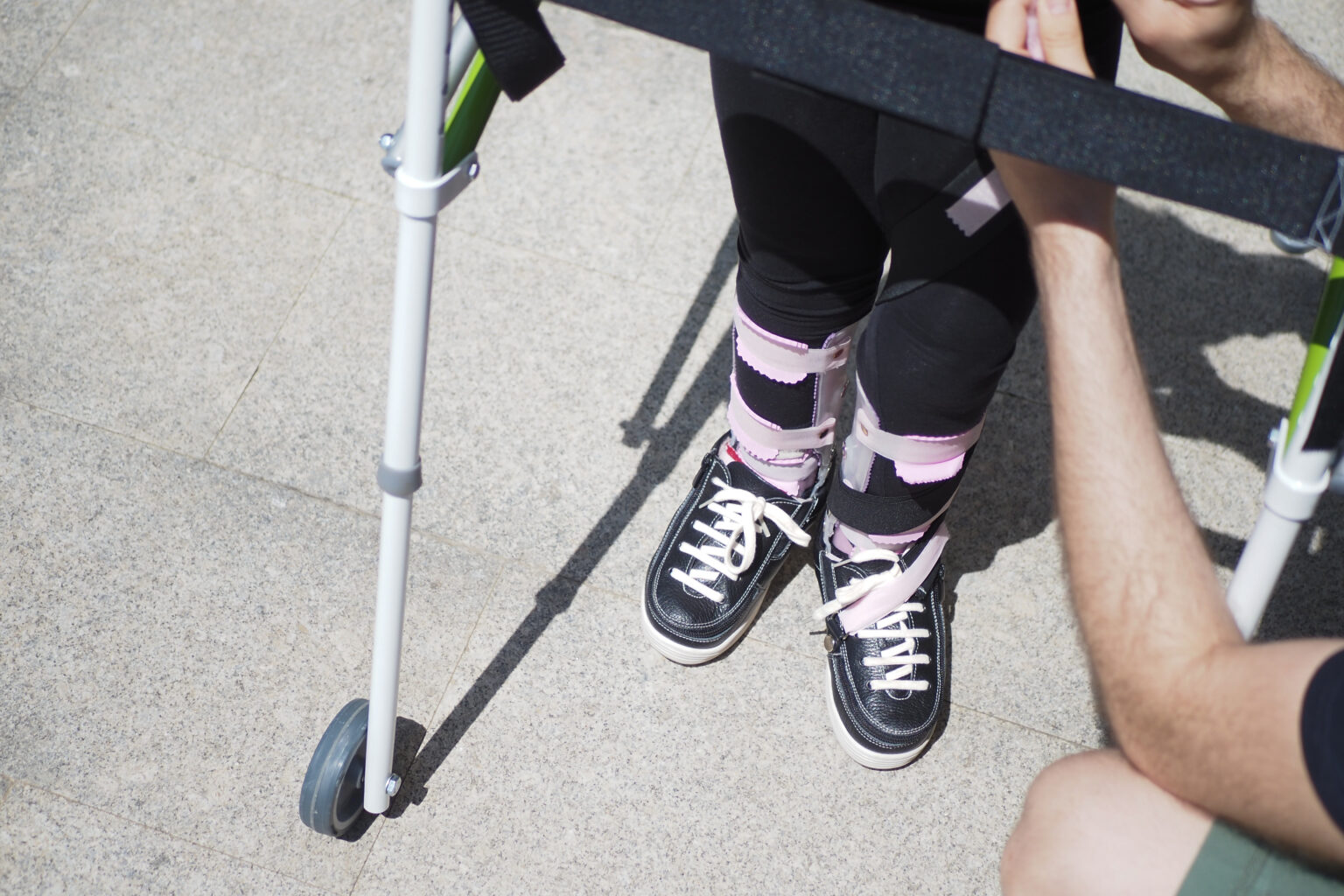
According to the Centers for Disease Control and Prevention (CDC), accidental falls are the leading cause of injury for adults 65 and older, with more than 1 in 4 older adults reporting falls every year.
Fractures commonly occur with such falls, requiring urgent or emergent evaluation and treatment.
The ICD-10-CM Table categorizes fractures as the following:
- Traumatic – Cracking/breaking of healthy bone due to excessive external force;
- Stress (aka fatigue or march) – A material fatigue failure of healthy bone due to overuse, resulting in microdamage accumulation that becomes clinically symptomatic;
- Pathologic – A fracture in abnormal bone that would not otherwise occur in healthy bone; ICD-10-CM subdivides pathological fractures by etiologies that include osteoporosis, neoplastic disease (which can be benign or malignant), or associated with other diseases;
- Periprosthetic – A fracture in close proximity to a joint prothesis (note: commonly due to low-trauma events in the setting of diseased bone, e.g., osteoporosis); and
- Nontraumatic – Its own category, which includes “atypical fractures” or “other disorders of continuity of bone.”
Traumatic fracture codes are categorized under Chapter 19, Injury, poisoning and certain other consequences of external causes (S00-T88), whereas the others are categorized under Chapter 13, Diseases of the musculoskeletal system and connective tissue (M00-M99).
Clinically, these fractures are further classified as follows in the Fracture and Dislocation Classification Compendium – 2018, available at https://ota.org/media/531625/rev-jotv32n1s-issue-softproof_11218.pdf, which requires collaboration with orthopedics as to their definition and documentation.
The ICD-10-CM Alphabetic Index then classifies these and other terminologies as follows:
- Fragility fractures – Clinically defined as “a spontaneous fracture or one associated with trauma or a fall from a standing height of less” and commonly documented as “low-energy fractures,” ICD-10-CM classifies fragility fractures as osteoporotic pathological fractures by site (M80.-) unless the physician documents another cause or asserts that no bone disease is present. Documentation of “low-energy fracture” or “fracture from a standing height” cannot be coded as an osteoporotic fracture unless the physician explicitly documents such or “fragility fracture.” While osteoporosis is the most common cause of fragility fractures, other etiologies include benign tumors, primary/secondary malignancies, renal osteodystrophy, hyperparathyroidism, osteomalacia, disuse or postmenopausal osteoporosis, osteogenesis imperfecta, polyostotic fibrous dysplasia, Paget disease, and osteopetrosis. Some clinical literature asserts that the presence of a fragility fracture alone establishes a high likelihood of osteoporosis, which can diagnosed later with a DeXA study or other imaging, which, if documented at the time of discharge of an inpatient admission, can be coded as established.
- Insufficiency fractures – Clinically defined as a stress fracture occurring in diseased bone. ICD-10-CM classifies these as pathological fractures by site (M84.4-) unless the physician documents an alternative etiology, such as osteoporosis or neoplastic diseases.
- Burst fractures – Classified as traumatic fractures. If the fracture is spontaneous or “low-energy,” suspect fragility or other pathological/insufficiency fractures whereby a clinical documentation integrity (CDI) opportunity exists to determine underlying causes.
- Chronic fractures – Classified as pathological by ICD-10-CM. If the physician has not documented or linked the underlying cause, a query is warranted.
- Nontraumatic fracture – Classified as “atypical” fractures, as cited above. The applicable CDI opportunity here is to obtain “fragility,” “insufficiency,” or “pathological” fracture, plus its underlying cause of the nontraumatic fracture, since these are likely present.
- Collapsed vertebra – Classified as M48.5, Collapsed vertebra, not elsewhere classified. Since these commonly occur spontaneously or with low-energy trauma, CDI opportunities for their nature (fragility fracture vs. traumatic fracture) plus underlying causes (e.g., fall from a roof, fragility) exist.
- Named fractures (e.g., Colles, Bennett’s) – Classified as traumatic in healthy bone. Look out for fragility fractures in at-risk populations or circumstances and query for such when indicated.
Fractures occurring in the inpatient setting after the inpatient order is written impact the Centers for Medicare & Medicaid Services’ (CMS’s) Hospital-Acquired Conditions (https://www.cms.gov/icd10m/FY2025-NPRM-Version42-fullcode-cms/fullcode_cms/P0400.html) and Agency for Healthcare Research and Quality’s (AHRQ’s) Patient Safety Indicator PSI 8 (https://qualityindicators.ahrq.gov/Downloads/Modules/PSI/V2024/TechSpecs/PSI_08_In-Hospital_Fall-Associated_Fracture_Rate.pdf) methodologies.
Notice that with CMS HAC 05: Falls and Trauma that only three Chapter 13 “M codes” qualify involving M99.1x, Subluxation complexes of the spine. The rest involve Chapter 19 codes which, for fractures, start with the letter “S.”
Since most fractures in the hospital setting occur from a standing height of less, qualifying as fragility fractures, in this author’s opinion, no “S” fracture code should have a PATIO (Present at the Time of Inpatient Order, aka present on admission, or POA) indicator that is “N” or “U” unless the patient jumped out the window. Hospital-acquired fractures are typically of low energy (from a standing height or less) or spontaneous, warranting the documentation of “fragility” (or other cause) fracture that is assigned a “M” code, not a “S” code. While traumatic and osteoporotic pathological hip fractures that are not PATIO trigger the Patient Safety Indicator 08 (PSI 08) In-Hospital Fall-Associated Fracture Rate measure, if the fragility fracture is ascribed to another bone disease, such as a neoplastic disease, PSI 08 can be avoided when the fracture is documented as a pathological fracture due to the alterative etiology.
In summary, fragility fractures occur commonly in predisposed individuals, but are often not documented as to reflect their prevalence. CDI efforts involving fragility fracture not only enhance patient care when correctly documented and coded in ICD-10-CM, but excellent hospital care is more accurately reported.