
The Unforgivable Plight of Poor Discharge Planning

The Unforgivable Plight of Poor Discharge Planning

This week my report will be a little different. I am going to tell the story of a family friend’s medical journey. My wife’s friend, Tina (not her real name), is 74. She is an avid gardener and normally, physically active. But her back pain worsened, and after a failure of the usual conservative therapies, she recently opted for surgery.

On Wednesday, July 10, my wife drove her to the hospital at 5 a.m., and she underwent lumbar fusion surgery. And before you ask, no, I did not ask for the CPT® code to determine if it was on the Inpatient-Only List, but Tina was told she would be in the hospital for two days. She was registered as an inpatient. The surgery was done and went well, and she was taken to her room. My wife stayed with her throughout her hospital recovery, sleeping on the couch that converts into an uncomfortable bed.

My wife has heard me participate in enough Monitor Mondays broadcasts to be curious about the forms they might ask her to sign. Well, less than an hour after Tina was brought to her room, someone came in and asked her to sign a form. My wife immediately objected, noting that Tina was barely awake, and clearly not coherent enough to understand anything. The person agreed to return later, but prior to leaving, my wife took pictures of the form; it was the Important Message from Medicare (IMM).

Well, due to uncontrolled pain, Tina remained in the hospital until Saturday, and no one ever returned to get the IMM signed. No first IMM, no follow-up IMM. Not good.

But then it got worse. Since Tina’s mobility was limited, home care was necessary to start her rehab. She was given a choice of four home care agencies that serve her home area. She chose the agency suggested by the case manager, and the referral was sent.

Tina went home, and a nurse from the home care agency came four days later and performed the assessment. That’s great, but remember, Tina had back surgery; what she needed was home physical therapy, not nursing care. Days passed, and finally, on Monday, July 22 a therapist came to the house to perform her assessment. Wait: 12 days since surgery, home for 9 days, and then they finally do an assessment? And according to Tina, it took all of 15 minutes, mostly spent asking questions and having her lift her arms and legs.

I was not happy with this, so the next day I set up a three-way call with Livanta, the Illinois Quality Improvement Organization (QIO), for some immediate advocacy. And after listening to Livanta’s recorded message, begging us six times to submit the appeal via their website, we spoke to a human. And honestly, that person had so little empathy, I began to wonder if I was talking to an artificial intelligence (AI) system. Nonetheless, the QIO ultimately called the home care agency, and the agency did call Tina and commit to improving their care.

Now, an apology was nice, but it did not make up for the delay in Tina’s recovery. And although she will talk to her surgeon about this, no one from the hospital ever called after discharge to check on her. Although the home care agency dropped the ball, the satisfaction rating she gives the hospital will show her dissatisfaction.

Remember, discharge planning not only should begin as early as possible, but it certainly should not end upon discharge. Let’s all do better.

EDITOR’S NOTE:

The opinions expressed in this article are solely those of the author and do not necessarily represent the views or opinions of MedLearn Media. We provide a platform for diverse perspectives, but the content and opinions expressed herein are the author’s own. MedLearn Media does not endorse or guarantee the accuracy of the information presented. Readers are encouraged to critically evaluate the content and conduct their own research. Any actions taken based on this article are at the reader’s own discretion.

Facebook
Twitter
LinkedIn

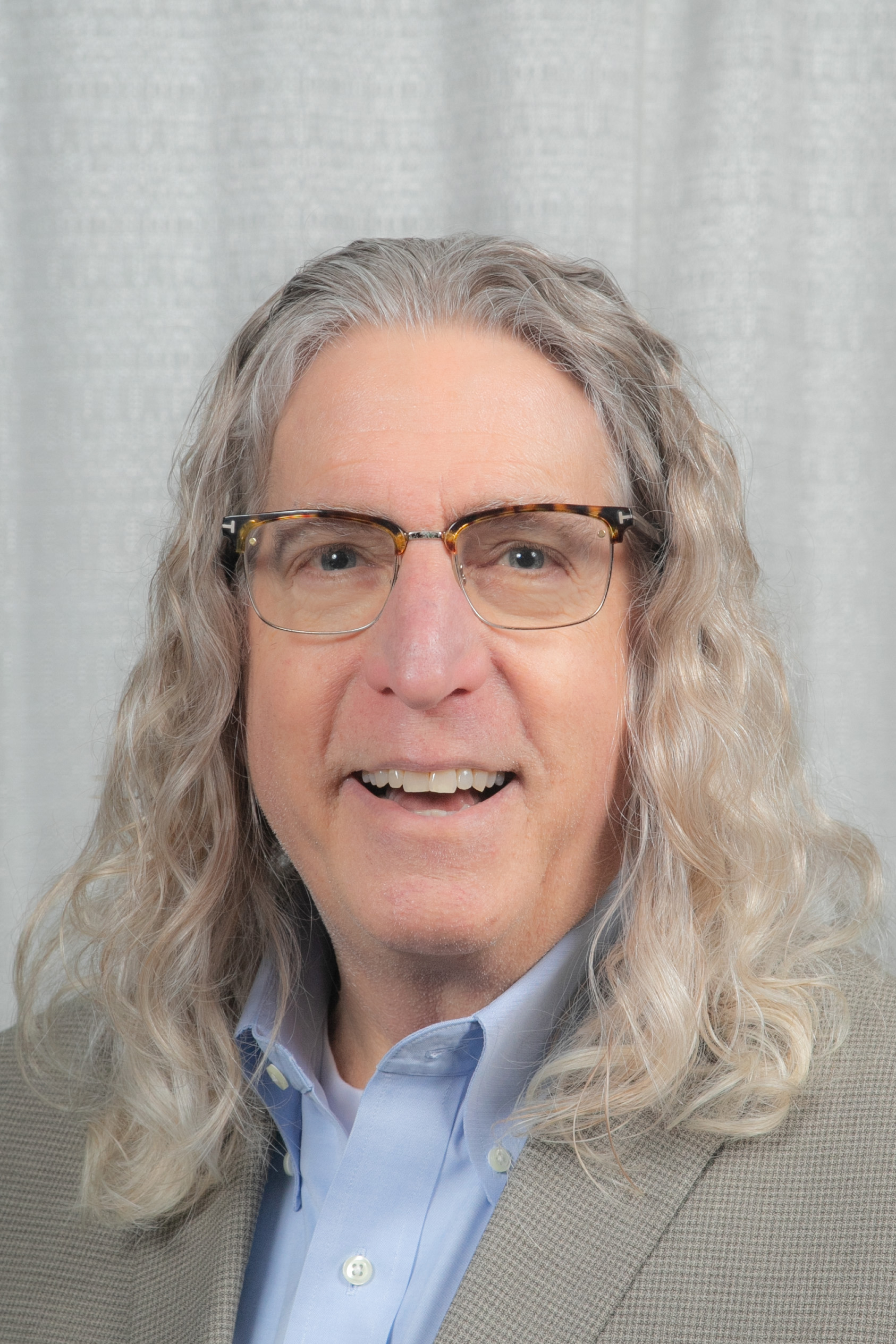
Ronald Hirsch, MD, FACP, ACPA-C, CHCQM, CHRI

Ronald Hirsch, MD, is vice president of the Regulations and Education Group at R1 Physician Advisory Services. Dr. Hirsch’s career in medicine includes many clinical leadership roles at healthcare organizations ranging from acute-care hospitals and home health agencies to long-term care facilities and group medical practices. In addition to serving as a medical director of case management and medical necessity reviewer throughout his career, Dr. Hirsch has delivered numerous peer lectures on case management best practices and is a published author on the topic. He is a member of the Advisory Board of the American College of Physician Advisors, and the National Association of Healthcare Revenue Integrity, a member of the American Case Management Association, and a Fellow of the American College of Physicians. Dr. Hirsch is a member of the RACmonitor editorial board and is regular panelist on Monitor Mondays. The opinions expressed are those of the author and do not necessarily reflect the views, policies, or opinions of R1 RCM, Inc. or R1 Physician Advisory Services (R1 PAS).

Related Stories

Be Thankful We Can Code That!

Be Thankful We Can Code That!

With Thanksgiving later this week, now is a good time to revisit some codes and coding guidance for which we are thankful for.  Perhaps the

Read More

Leave a Reply

Please log in to your account to comment on this article.

Featured Webcasts

Mastering Principal Diagnosis: Coding Precision, Medical Necessity, and Quality Impact

Mastering Principal Diagnosis: Coding Precision, Medical Necessity, and Quality Impact

Accurately determining the principal diagnosis is critical for compliant billing, appropriate reimbursement, and valid quality reporting — yet it remains one of the most subjective and error-prone areas in inpatient coding. In this expert-led session, Cheryl Ericson, RN, MS, CCDS, CDIP, demystifies the complexities of principal diagnosis assignment, bridging the gap between coding rules and clinical reality. Learn how to strengthen your organization’s coding accuracy, reduce denials, and ensure your documentation supports true medical necessity.

December 3, 2025

Proactive Denial Management: Data-Driven Strategies to Prevent Revenue Loss

Denials continue to delay reimbursement, increase administrative burden, and threaten financial stability across healthcare organizations. This essential webcast tackles the root causes—rising payer scrutiny, fragmented workflows, inconsistent documentation, and underused analytics—and offers proven, data-driven strategies to prevent and overturn denials. Attendees will gain practical tools to strengthen documentation and coding accuracy, engage clinicians effectively, and leverage predictive analytics and AI to identify risks before they impact revenue. Through real-world case examples and actionable guidance, this session empowers coding, CDI, and revenue cycle professionals to shift from reactive appeals to proactive denial prevention and revenue protection.

November 25, 2025
Sepsis: Bridging the Clinical Documentation and Coding Gap to Reduce Denials

Sepsis: Bridging the Clinical Documentation and Coding Gap to Reduce Denials

Sepsis remains one of the most frequently denied and contested diagnoses, creating costly revenue loss and compliance risks. In this webcast, Angela Comfort, DBA, MBA, RHIA, CDIP, CCS, CCS-P, provides practical, real-world strategies to align documentation with coding guidelines, reconcile Sepsis-2 and Sepsis-3 definitions, and apply compliant queries. You’ll learn how to identify and address documentation gaps, strengthen provider engagement, and defend diagnoses against payer scrutiny—equipping you to protect reimbursement, improve SOI/ROM capture, and reduce audit vulnerability in this high-risk area.

September 24, 2025

Trending News

Featured Webcasts

Surviving Federal Audits for Inpatient Rehab Facility Services

Surviving Federal Audits for Inpatient Rehab Facility Services

Federal auditors are zeroing in on Inpatient Rehabilitation Facility (IRF) and hospital rehab unit services, with OIG and CERT audits leading to millions in penalties—often due to documentation and administrative errors, not quality of care. Join compliance expert Michael Calahan, PA, MBA, to learn the five clinical “pillars” of IRF-PPS admissions, key documentation requirements, and real-life case lessons to help protect your revenue.

November 13, 2025
E/M Services Under Intensive Federal Scrutiny: Navigating Split/Shared, Incident-to & Critical Care Compliance in 2025-2026

E/M Services Under Intensive Federal Scrutiny: Navigating Split/Shared, Incident-to & Critical Care Compliance in 2025-2026

During this essential RACmonitor webcast Michael Calahan, PA, MBA Certified Compliance Officer, will clarify the rules, dispel common misconceptions, and equip you with practical strategies to code, document, and bill high-risk split/shared, incident-to & critical care E/M services with confidence. Don’t let audit risks or revenue losses catch your organization off guard — learn exactly what federal auditors are looking for and how to ensure your documentation and reporting stand up to scrutiny.

August 26, 2025

Trending News

Happy National Doctor’s Day! Learn how to get a complimentary webcast on ‘Decoding Social Admissions’ as a token of our heartfelt appreciation! Click here to learn more →

CYBER WEEK IS HERE! Don’t miss your chance to get 20% off now until Dec. 1 with code CYBER25

CYBER WEEK IS HERE! Don’t miss your chance to get 20% off now until Dec. 2 with code CYBER24