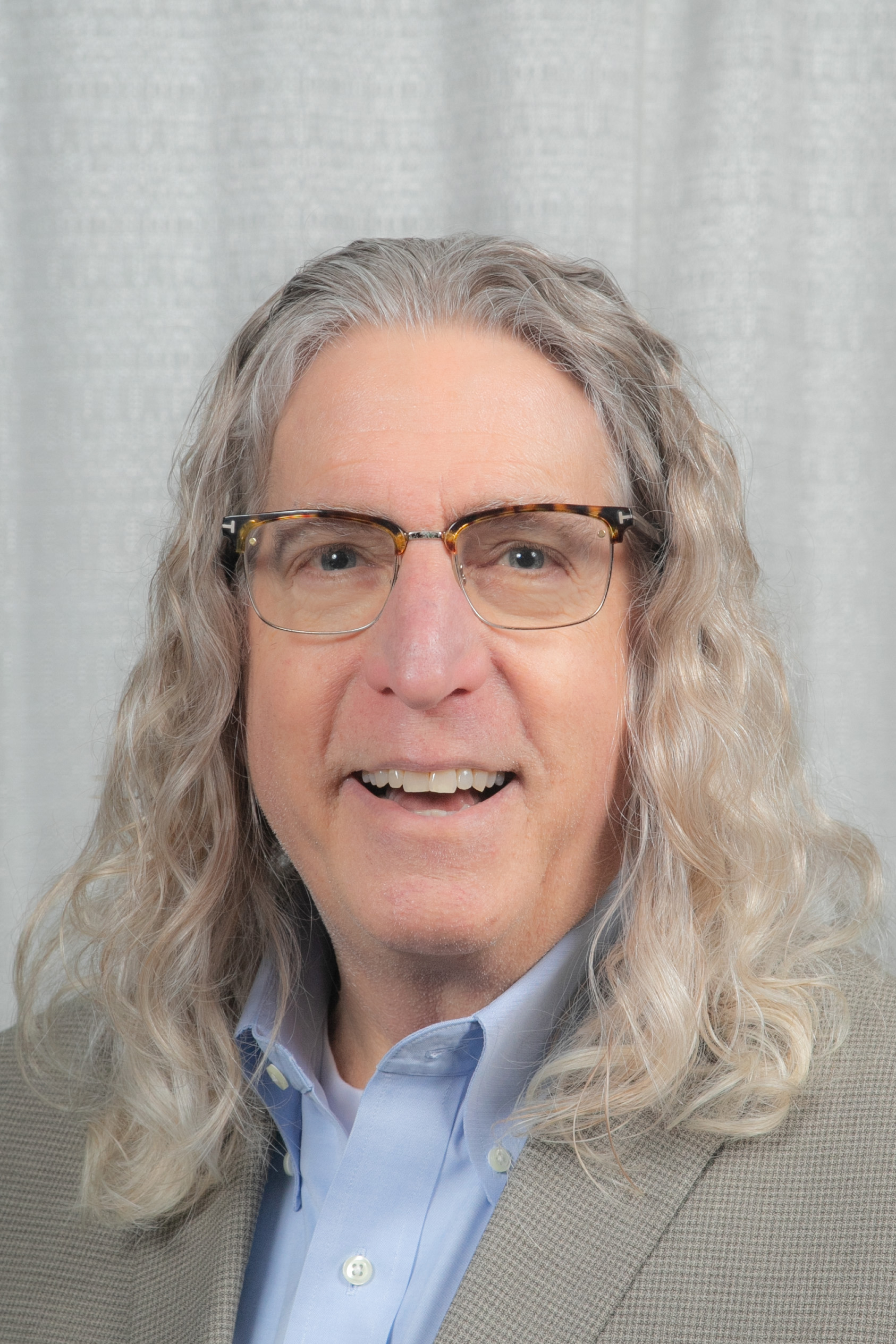
Palliative Care: When the Time Has Come

Healthcare professionals are urged to assess the palliative care program at their respective hospitals. 

Today I want to talk about death, but not about how to bill it or code it. Instead of that, today I want to talk about the care we provide patients as they approach death. And I want to start by saying we do not do a very good job of it.

Now, you are probably wondering why Dr. Hirsch, the Medicare regulation guy, is talking about death. Well, it is because Dr. Michael Salvatore was unable to appear on Monitor Mondays this week, and what he has to say warrants discussion, not only on my Monitor Mondays segment, but in a special article. For those unfamiliar with him, Dr. Salvatore is not only the physician advisor at Beebe Medical Center in Lewes, Del., but he is also the director of the hospital’s palliative care program and on the Editorial Board of RACmonitor, being a regular contributor to its e-news publications.

Last week Dr. Salvatore’s RACmonitor article was titled “Physician-assisted suicide: Dr. Jack Kevorkian and St. Thomas Aquinas.” It was another excellent piece calling for increased attention to the role of palliative care for our patients with cancer other terminal diseases while the debate over a patient’s right to end their own life continues to be heard at the state and national level.

It was a great article but two things made this piece really remarkable. First, on the day after this was published, Stat News published an article titled “The Cancer Stories no one Wants to Hear.” Here is the first paragraph:

“During the 11 months when my husband was dying of bladder cancer, few people wanted to hear how he was truly doing. They wanted to hear about hope, courage, and positivity, not about how he was unlikely to survive or his ruminations on how to live well while dying.”

The article ends with the stance that “our goal is to counter the cultural silence around death and dying. All of us need to hear the stories we’d rather not hear. Maybe they will, in small ways, inspire big questions and positive change.”

Then that same day, Dr. Salvatore sent me a copy of an email he got in response to his article. Here is that response in its entirety:

Dear Dr. Salvatore:

I just read your article, “PAS: Dr. Jack Kevorkian and St. Thomas Aquinas” in the RACmonitor e-News. After recently following a dear physician friend to the edge of that black hole into which he finally fell as we, his friends and family, agonized all the way with him, I deeply feel there has to be a better way to support those who are painfully approaching death. This was a wonderful man who did not deserve the last year of his life to be so consumed by metastatic pain and worry and sleeplessness and almost daily new medical evidence of his descent to the end. We all worried that not only was he going to leave us, but that the same would happen to his wife, who helplessly cared for him day and night.

In spite of his care being managed by a knowledgeable team of prominent group providers (not from the healthcare facility where I’m employed), including palliative and then very late hospice, no one seemed to be able to accept the ultimate responsibility for driving his care. And his end-of-life care was not aggressive. There were too many times when he went for days, even weeks, with unaddressed issues. Pain mediation was the number one problem and medication appeared to be the last resort for most of his physicians; they seemed hesitant and held back when finally they prescribed. (I would understand their concerns about addiction if he were not dying).  He was shuffled back and forth between oncology, pain management, primary care, pulmonary, radiology, and neurology. When you said, “aggressive palliative care,” that hit the button for me. It’s what should have happened for him. Early on, there should have been care that kept whatever life he had left with as much quality as possible. He should have been pain-free, or at least with as minimal as possible pain. If any of that would have shortened his life, he would have preferred that. He said so. So keep up your push for ‘more widely available, earlier, and more aggressive palliative care.’ When my time comes, that’s what I want.

At a health summit in 2006, David Brennan, the head of AstraZeneca, an international pharmaceutical company, discussed the market for chemotherapy in the United States. What he said is worth reading.

“People want to have choice, they want to know what’s available, and if it’s good, they want to have it. Americans have a funny approach to this; we think death is optional,” he joked. “We treat an 87-year-old person with pancreatic cancer the same way we treat an 18-year-old with pancreatic cancer.”

“That’s not the case outside this country,” Brennan continued. “It’s very different. That’s an aspect of this market that’s very, very important that we need to maintain. I think the system in the United States, having toured the world, is great.”

Viewed another way, what this pharmaceutical company executive was saying is that he sees palliative care and hospice as a threat to profits. And too often, a tendency to provide chemotherapy with a person’s last breath is what happens.

In fact, our use of chemotherapy near the end of life is such a problem that the National Quality Forum has adopted a quality measure, NQF 0210, which measures the proportion of patients receiving chemotherapy in the last 14 days of life. Quality measures are only developed if there is a problem with the quality of care as it is currently being provided. It is quite telling that this measure had to be adopted.

So I urge RACmonitor subscribers to read Dr. Salvatore’s article – and in fact read all of his RACmonitor articles – then go to your hospital and assess your palliative care program. Is the sentiment expressed in the letter above what your cancer patients are facing? 

Facebook
Twitter
LinkedIn

Ronald Hirsch, MD, FACP, ACPA-C, CHCQM, CHRI

Ronald Hirsch, MD, is vice president of the Regulations and Education Group at R1 Physician Advisory Services. Dr. Hirsch’s career in medicine includes many clinical leadership roles at healthcare organizations ranging from acute-care hospitals and home health agencies to long-term care facilities and group medical practices. In addition to serving as a medical director of case management and medical necessity reviewer throughout his career, Dr. Hirsch has delivered numerous peer lectures on case management best practices and is a published author on the topic. He is a member of the Advisory Board of the American College of Physician Advisors, and the National Association of Healthcare Revenue Integrity, a member of the American Case Management Association, and a Fellow of the American College of Physicians. Dr. Hirsch is a member of the RACmonitor editorial board and is regular panelist on Monitor Mondays. The opinions expressed are those of the author and do not necessarily reflect the views, policies, or opinions of R1 RCM, Inc. or R1 Physician Advisory Services (R1 PAS).

Related Stories

Leave a Reply

Please log in to your account to comment on this article.

Featured Webcasts

Sepsis Sequencing in Focus: From Documentation to Defensible Coding

Sepsis sequencing continues to challenge even experienced coding and CDI professionals, with evolving guidelines, documentation gaps, and payer scrutiny driving denials and data inconsistencies. In this webcast, Payal Sinha, MBA, RHIA, CCDS, CDIP, CCS, CCS-P, CCDS-O, CRC, CRCR, provides clear guideline-based strategies to accurately code sepsis, severe sepsis, and septic shock, assign POA indicators, clarify the relationship between infection and organ dysfunction, and align documentation across teams. Attendees will gain practical tools to strengthen audit defensibility, improve first-pass accuracy, support appeal success, reduce denials, and ensure accurate quality reporting, empowering organizations to achieve consistent, compliant sepsis coding outcomes.

March 26, 2026
I022426_SQUARE

Fracture Care Coding: Reduce Denials Through Accurate Coding, Sequencing, and Modifier Use

Expert presenters Kathy Pride, RHIT, CPC, CCS-P, CPMA, and Brandi Russell, RHIA, CCS, COC, CPMA, break down complex fracture care coding rules, walk through correct modifier application (-25, -57, 54, 55), and clarify sequencing for initial and subsequent encounters. Attendees will gain the practical knowledge needed to submit clean claims, ensure compliance, and stay one step ahead of payer audits in 2026.

February 24, 2026
Mastering Principal Diagnosis: Coding Precision, Medical Necessity, and Quality Impact

Mastering Principal Diagnosis: Coding Precision, Medical Necessity, and Quality Impact

Accurately determining the principal diagnosis is critical for compliant billing, appropriate reimbursement, and valid quality reporting — yet it remains one of the most subjective and error-prone areas in inpatient coding. In this expert-led session, Cheryl Ericson, RN, MS, CCDS, CDIP, demystifies the complexities of principal diagnosis assignment, bridging the gap between coding rules and clinical reality. Learn how to strengthen your organization’s coding accuracy, reduce denials, and ensure your documentation supports true medical necessity.

December 3, 2025

Proactive Denial Management: Data-Driven Strategies to Prevent Revenue Loss

Denials continue to delay reimbursement, increase administrative burden, and threaten financial stability across healthcare organizations. This essential webcast tackles the root causes—rising payer scrutiny, fragmented workflows, inconsistent documentation, and underused analytics—and offers proven, data-driven strategies to prevent and overturn denials. Attendees will gain practical tools to strengthen documentation and coding accuracy, engage clinicians effectively, and leverage predictive analytics and AI to identify risks before they impact revenue. Through real-world case examples and actionable guidance, this session empowers coding, CDI, and revenue cycle professionals to shift from reactive appeals to proactive denial prevention and revenue protection.

November 25, 2025

Trending News

Featured Webcasts

Mastering MDM for Accurate Professional Fee Coding

In this timely session, Stacey Shillito, CDIP, CPMA, CCS, CCS-P, CPEDC, COPC, breaks down the complexities of Medical Decision Making (MDM) documentation so providers can confidently capture the true complexity of their care. Attendees will learn practical, efficient strategies to ensure documentation aligns with current E/M guidelines, supports accurate coding, and reduces audit risk, all without adding to charting time.


March 31, 2026

The PEPPER Returns – Risk and Opportunity at Your Fingertips

Join Ronald Hirsch, MD, FACP, CHCQM for The PEPPER Returns – Risk and Opportunity at Your Fingertips, a practical webcast that demystifies the PEPPER and shows you how to turn complex claims data into actionable insights. Dr. Hirsch will explain how to interpret key measures, identify compliance risks, uncover missed revenue opportunities, and understand new updates in the PEPPER, all to help your organization stay ahead of audits and use this powerful data proactively.

March 19, 2026

Top 10 Audit Targets for 2026-2027 for Hospitals & Physicians: Protect Your Revenue

Stay ahead of the 2026-2027 audit surge with “Top 10 Audit Targets for 2026-2027 for Hospitals & Physicians: Protect Your Revenue,” a high-impact webcast led by Michael Calahan, PA, MBA. This concise session gives hospitals and physicians clear insight into the most likely federal audit targets, such as E/M services, split/shared and critical care, observation and admissions, device credits, and Two-Midnight Rule changes, and shows how to tighten documentation, coding, and internal processes to reduce denials, recoupments, and penalties. Attendees walk away with practical best practices to protect revenue, strengthen compliance, and better prepare their teams for inevitable audits.


January 29, 2026

AI in Claims Auditing: Turning Compliance Risks into Defensible Systems

As AI reshapes healthcare compliance, the risk of biased outputs and opaque decision-making grows. This webcast, led by Frank Cohen, delivers a practical Four-Pillar Governance Framework—Transparency, Accountability, Fairness, and Explainability—to help you govern AI-driven claim auditing with confidence. Learn how to identify and mitigate bias, implement robust human oversight, and document defensible AI review processes that regulators and auditors will accept. Discover concrete remedies, from rotation protocols to uncertainty scoring, and actionable steps to evaluate vendors before contracts are signed. In a regulatory landscape that moves faster than ever, gain the tools to stay compliant, defend your processes, and reduce liability while maintaining operational effectiveness.

January 13, 2026

Trending News

Happy National Doctor’s Day! Learn how to get a complimentary webcast on ‘Decoding Social Admissions’ as a token of our heartfelt appreciation! Click here to learn more →

CYBER WEEK IS HERE! Don’t miss your chance to get 20% off now until Dec. 1 with code CYBER25

CYBER WEEK IS HERE! Don’t miss your chance to get 20% off now until Dec. 2 with code CYBER24