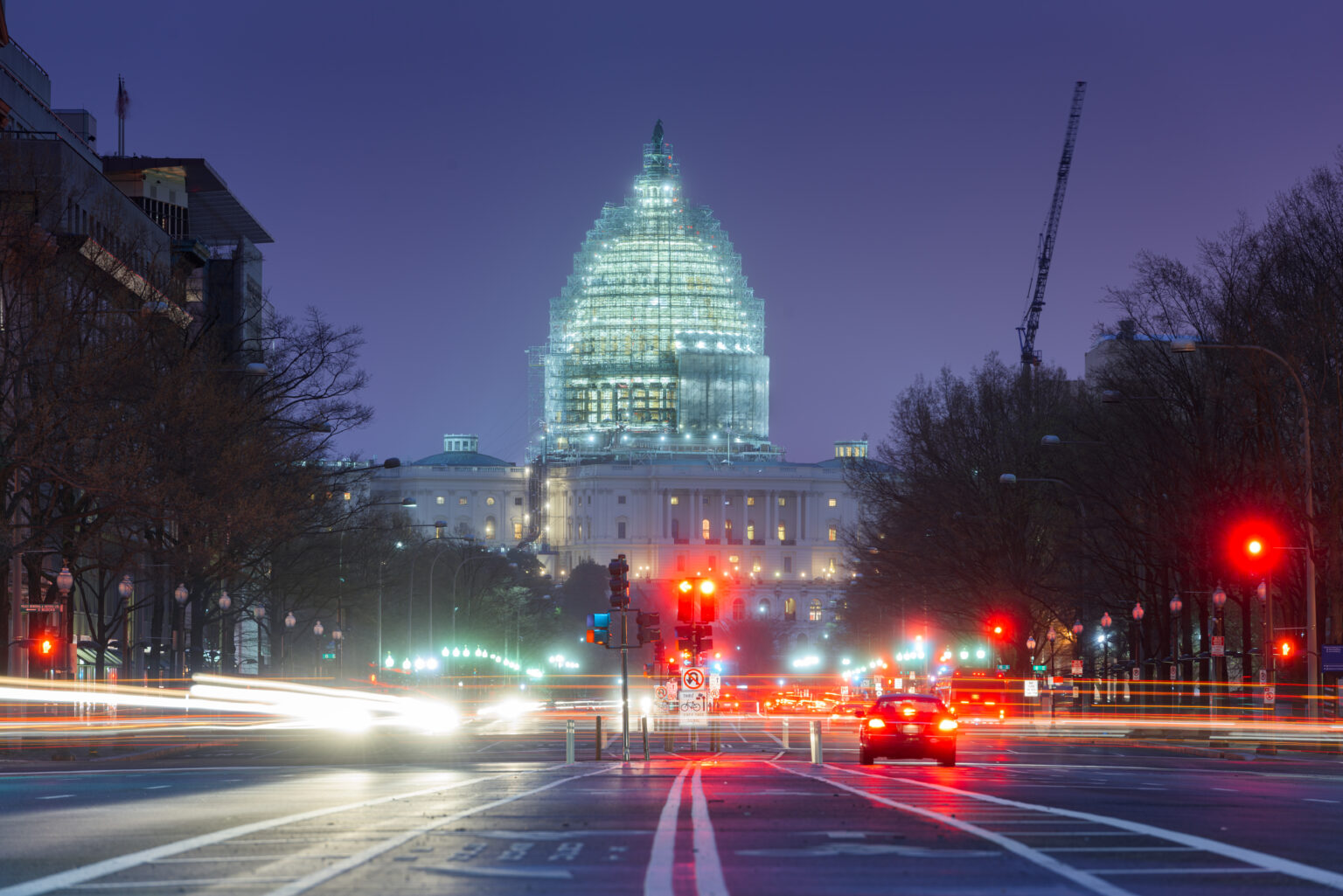
As this year’s federal government shutdown is crowned the longest in history, we’re finally seeing progress towards a reopening. This weekend the Senate voted 60-40 to advance a continuing resolution, or CR, that contains a stopgap measure to fund the government through Jan. 30, 2026.
While exact details are still emerging, it did not include an extension of the Patient Protection and Affordable Care Act (PPACA) subsidies for which Democratic leaders hoped.
Late last week, Senate Minority Leader Chuck Schumer had offered a plan to end the shutdown that would see Democrats agreeing to approve any offered CR that funds the government in exchange for a one-year extension of the subsidies. The subsidies, of course, have sat center-stage among the shutdown fight. Republican leaders rejected the proposal, with Majority Leader John Thune calling it a “nonstarter.”
The newly passed CR came with an agreement from Thune that a vote would be scheduled later this year on legislation to extend the PPACA subsidies that are due to expire in January, but Thune did not guarantee that Republicans would vote for such an extension.
While the Senate may be relieved for now, House Democrats have previously indicated they would not support a package that didn’t include an extension of the subsidies. Next steps include a vote on the full legislative package, which will then need to pass the House and receive President Trump’s signature before the shutdown will officially end.
Another issue at stake during these negotiations is, of course, the future of telehealth. While we know many of the Medicare telehealth flexibilities expired at the end of September, another deadline looms as the shutdown drags on. Dec. 31 of this year sees the end of pandemic-era remote prescribing flexibilities, which allows for the prescription of controlled substances via telemedicine.
The Telehealth Association and over 450 stakeholder organizations sent a letter to Congress urging more permanent solutions for telehealth to be included in any legislative package passed. The Telehealth Association noted that the frequent temporary extensions leave providers “in limbo.”
It is unclear as of this reporting exactly how telehealth will factor into the CR now under consideration, but if an extension is included, it will likely only be through January as well.
In the midst of all this uncertainty, the Centers for Medicare & Medicaid Services (CMS) continued to keep busy. This week was the deadline for states to apply for a piece of the pie from the Rural Health Transformation Program. Frequent readers may recall that this fund, authorized under the One Big Beautiful Bill Act (OBBBA), allocates $25 billion of the overall $50 billion to be distributed by CMS based on how well states’ applications meet the program goals.
These goals are focused on rural healthcare, and states are supposed to “reimagine rural care delivery” through innovative solutions. CMS emphasized transformative and tech-oriented ideas when describing proposed uses for funds. While the money is intended to help states ease the impact of cuts to Medicaid found in the OBBBA, CMS stated that it is not supposed to be just a backfill of operating budgets; they want to see new ideas for rural healthcare.
Although several state officials expressed concern about the limited guidance on the fund they had from CMS amid the shutdown, the agency announced that every single state had applied for the program. This was also in spite of the quick turnaround time from the announcement of the application period to the close: just under two months. The agency has extremely broad discretion over which applications are approved, and states are not allowed to appeal any decisions made.
CMS Administrator Dr. Mehmet Oz spoke about his optimism for the program just after the deadline, stating that the influx of monies under the program represents a 50-percent annual increase from current Medicaid funding levels for rural healthcare.
While CMS begins to call back some of its furloughed staff to facilitate the rural healthcare program, House Speaker Johnson announced today that it’s the “beginning of the end” of the shutdown. If the package passes through each of the steps without issue, it will still take several days to wind through the process.
But it’s movement, and for many that in and of itself is a light at the end of the tunnel.